Blockchain: The Second Biggest Project after Bitcoin
Blockchain
Let’s start with the basics. As Renee Yang defines it, blockchain is a record-keeping tool. This tool is managed by everybody in a network without a hierarchy. You can read her article Blockchain Technology Explained for more.
The biggest area of projects that uses blockchain technology are cryptocurrencies. In this article I will introduce what I believe is the second biggest project, the IBM Food Trust.
IBM Food Trust
Introduction
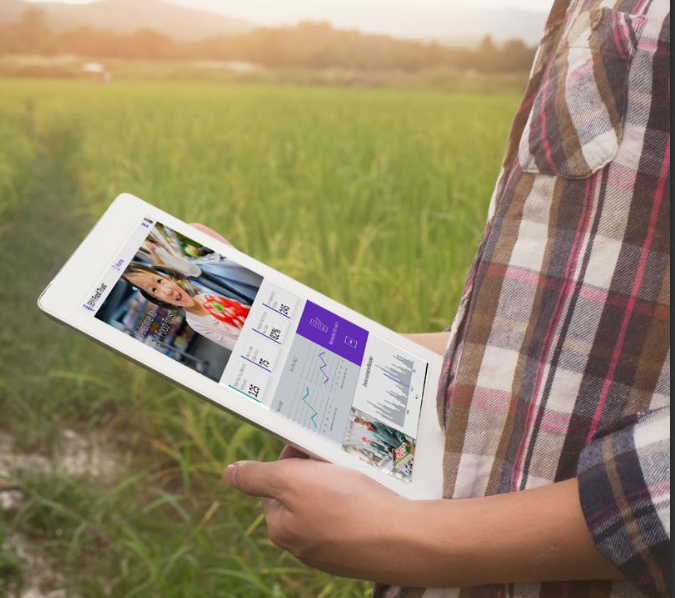
IBM Food Trust is a network built on the IBM blockchain designed to connect stakeholders of the food supply chain. These are are farmers, processors, wholesalers, distributors, manufacturers, retailers and of course consumers. IBM Food Trust brings all of them together in a collaborative network that enhances visibility and accountability.
How it Works
Let’s take as an example a real-life application of IBM Food Trust network. All over the world there is a demand for safer food. People want to know where their food comes from, what ingredients it contains and what brands to trust. The coffee industry is a complex ecosystem with farmers, processors, exporters, importers, roasters and of course the consumers.
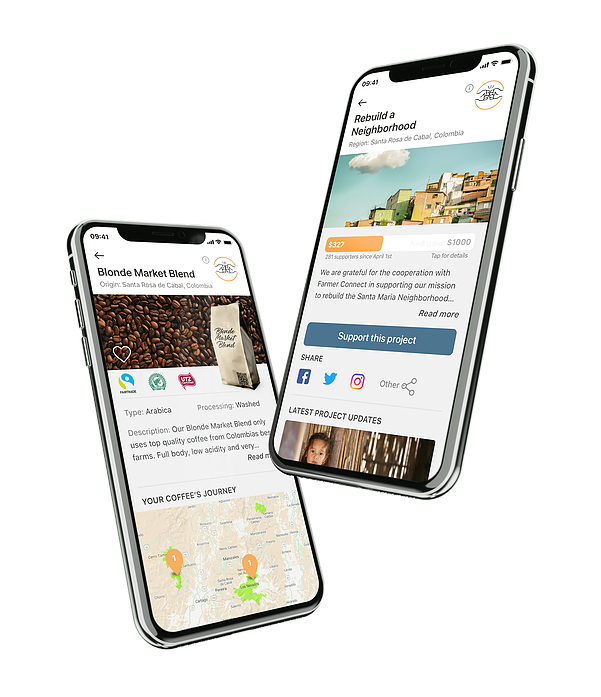
Nowadays consumers are always looking for a nice a cup of coffee at a decent price. However, some consumers also want to know where that coffee comes from. Was it sourced in a sustainable and responsive way? Are the farmers taking their fair share? Farmer Connect platform uses IBM Food Trust to provide traceability data directly to consumers. It allows consumers to have direct access to the story behind the product. Consumers can even donate and support small farmers.
 Farmer Connect
Why Blockchain
Food ecosystem suffers from a lack of transparency. Blockchain technology is used to close this gap by providing digitizing data on a secure and immutable ledger. This leads to greater confidence to consumers that can trace the source of a product.
Transactions are added by multiple parties but unlike traditional databases, the attributes of blockchain and the ability to permission data, enables network members to gain a new level of trusted information, thus leading to an immutable single version of the truth.
Consumers and Businesses
First of all the network can be trusted by the consumers. It’s distributed (not owned by a central authority), it’s immutable (no one can edit information) and it’s of course digital that allows easy access to everyone.
Furthermore, IBM Food Trust is already used by many clients all over the world include Walmart, Nestlé, Tyson Foods, Carrefour and Albertsons. These companies have already uploaded successfully millions of food products in the network and now have the opportunity to source and monitor their products. By using the network they don’t have to trust anyone they do business with. The network monitors the activities of the supply chain in full transparency.