On this Day (June 14) Mauchly Meets Atanasoff
On this day in 1941 John Mauchly visited John Atanasoff at Iowa State University.
Introduction
In order to fully understand the significance of this meeting, it is important that we recognise the profound impact and importance of these two scientists.
John Mauchly, an influential figure in the field of computer science, played a pivotal role in the development of the first general-purpose electronic computer. He co-designed and built the Electronic Numerical Integrator and Computer (ENIAC), which revolutionised computing capabilities. Mauchly’s contributions extended beyond ENIAC, as he continued to make significant advancements in computer architecture and programming languages. His innovative thinking and dedication to the field laid the foundation for the modern computing landscape, making him a highly respected figure in the realm of technology.
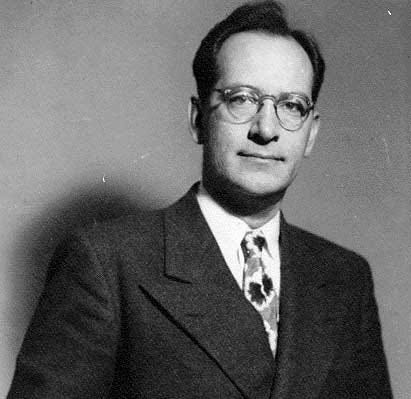 John Mauchly
John Atanasoff was a prominent figure in the history of computing. His creation, known as the Atanasoff-Berry Computer (ABC), utilised binary arithmetic and electronic switches to perform calculations and is consider as the first electronic digital computer. By introducing concepts such as binary representation and electronic logic circuits, Atanasoff made groundbreaking contributions to the development of modern computing systems. His work laid the groundwork for subsequent advancements in the field and served as a catalyst for the digital revolution that has transformed our world.

You might have noticed that in the previous two paragraphs I highlighted a similar phrase: “The first computer”. The invention of the first computer is attributed to multiple individuals, and it depends on how we define a computer. It’s important to note that the evolution of computers involved the collective efforts of numerous inventors, engineers, and scientists over many decades. Two of them were John Mauchly and John Atanasoff. So when these two men met they discussed extensively Atanasoff’s ideas about the Atanasoff-Berry Computer (ABC). ABC was never put to actual use, but it influenced ENIAC’s development. In fact, it became part of the evidence that led the judge in the case of Honeywell, Inc. v. Sperry Rand Corp., et al. to decide that the ENIAC patent was invalid because “Eckert and Mauchly did not themselves invent the automatic electronic computer, but instead derived that subject matter from one Dr. John Vincent Atanasoff.” While there isn’t a direct collaboration or personal relationship between Mauchly and Atanasoff, their connection lies in the legal context of the patent dispute surrounding the development of early electronic computers.
In conclusion, the story of the first computer involves a fascinating interplay between two remarkable individuals: John Mauchly and John Atanasoff. While their paths may not have directly crossed, their contributions to the field of computing left an permanent mark on history.
John Mauchly’s visionary work on the Electronic Numerical Integrator and Computer (ENIAC) propelled the field of computing forward. Alongside J. Presper Eckert, Mauchly designed and built the ENIAC, which revolutionised computational capabilities and paved the way for future advancements.
However, the legal battle between Honeywell and Sperry Rand shed light on another pioneer, John Atanasoff. His development of the Atanasoff-Berry Computer (ABC) showcased the early principles of electronic computing, including binary arithmetic and electronic logic circuits. The court recognised Atanasoff’s contributions as prior art, shaping the course of the computer’s history.
Both Mauchly and Atanasoff played pivotal roles in the evolution of computing, each contributing unique innovations that propelled the field forward. Their collective impact laid the groundwork for the digital revolution that has transformed society.
As we reflect on the origins of the computer, it is important to acknowledge and honor the pioneering spirit of these two individuals. Their groundbreaking ideas and relentless pursuit of technological advancement have shaped the world we live in today and continue to inspire generations of innovators in the ever-evolving landscape of computing.